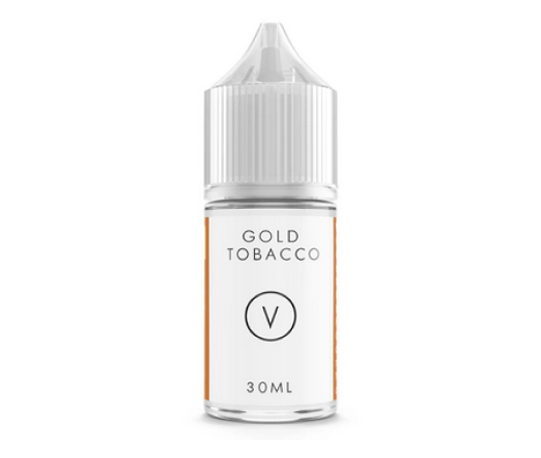
From October 1st 2021 nicotine vaping products will require a prescription from an Authorised Australian Prescriber. We have you covered.

E-liquid, or ‘juice’, is an essential element to your vaping experience. It’s made from propylene glycol (a thinner), vegetable glycerin (a thickener), flavour concentrates and, sometimes, nicotine. Finding the right juice is all part of the fun of vaping. Some vapes have different ratios of propylene glycol and vegetable glycerin, making them thicker or thinner. Some have wild, fruity flavours. Some use freebase nicotine, while others use nicotine salts (more on this down below). The best thing to do is read widely, experiment, and find what suits you best.
There are vapes to suit pretty much everyone. Some people love that traditional, smokey tobacco flavour. Some prefer fruity, floral vapes that leave your mouth tingling. There are creamy dessert vapes and sinus-blasting menthol vapes. There are even flavourless vapes, for people who just want the physical action of vaping (without the taste). Whatever you pick, remember that some e-liquids are only suitable for certain devices. Make sure to check the product information before you buy.
There are a few things you can do to enhance your vapes. Different coils, like mesh coils, can really crank up the flavour, as can adjusting the wattage of your device. Airflow can affect taste, too: bigger airflow makes fluffier vapour clouds, but dilutes the overall flavour. E-liquid can also degrade over time, especially if it’s not stored correctly. Always keep your juice away from direct sunlight and heat. Cool, dark cupboards work best.
When you’ve been inhaling the same vape flavour for a long time, you can get something known as Vaper’s Tongue. Basically, you lose the ability to taste that particular e-liquid. Vaper’s Tongue is nothing to worry about. It’s just your body getting used to a certain flavour. To avoid Vaper’s Tongue, try changing flavours when you swap out your coil. Drink plenty of water and give your favourite flavour a break. After a few weeks off, you should be able to taste it again.
In short? Yes. Not all vaping products are the same, and some only work with particular e-liquids. You should always read the product carefully to make sure it’s compatible with your device, but here are a few rules to get you started. Sub-ohm vapes can only be used with freebase nicotine e-liquids. Pod vapes are a bit more flexible. They work with freebase liquids and nicotine salts (as long as they’ve got a high ohm coil – 0.8ohm or above).
Nicotine in vapes comes in two varieties: freebase nicotine and nicotine salts. Freebase is also known as ‘standard’ nicotine. It’s not chemically bonded to anything, so it’s easy to vapourise and inhale. Nicotine salts are more like the nicotine you find in tobacco leaves. They’re bonded to organic compounds and get absorbed into the blood stream faster. Nicotine salts also have a better shelf life and work in much smaller devices
There’s no right or wrong way to go here – each style has its own pros and cons. As always, chat to your doctor about your vaping goals. They’ll be able to recommend a product that’s right for you.
The vaping coil is basically the heart of your vape device. It’s the thing that vapourizes the e-liquid, and it comes in all shapes, sizes and levels of resistance (known as ‘sub ohm’ coils and ‘plus ohm’ coils).
Low resistance coils produce warmer vapour and bigger clouds, while high resistance coils generate cooler vapour and less current. There are ceramic coils, stainless steel coils, titanium coils and nickel coils. Each one works best with certain liquids and devices, so it’s worth doing a bit of research (or asking your doctor for some advice).

Now that you have some liquid confidence you can browse our exclusive range of VAPO and myduke products. Choose your vape, complete the medical assessment, and we'll take care of the rest.
FAQs